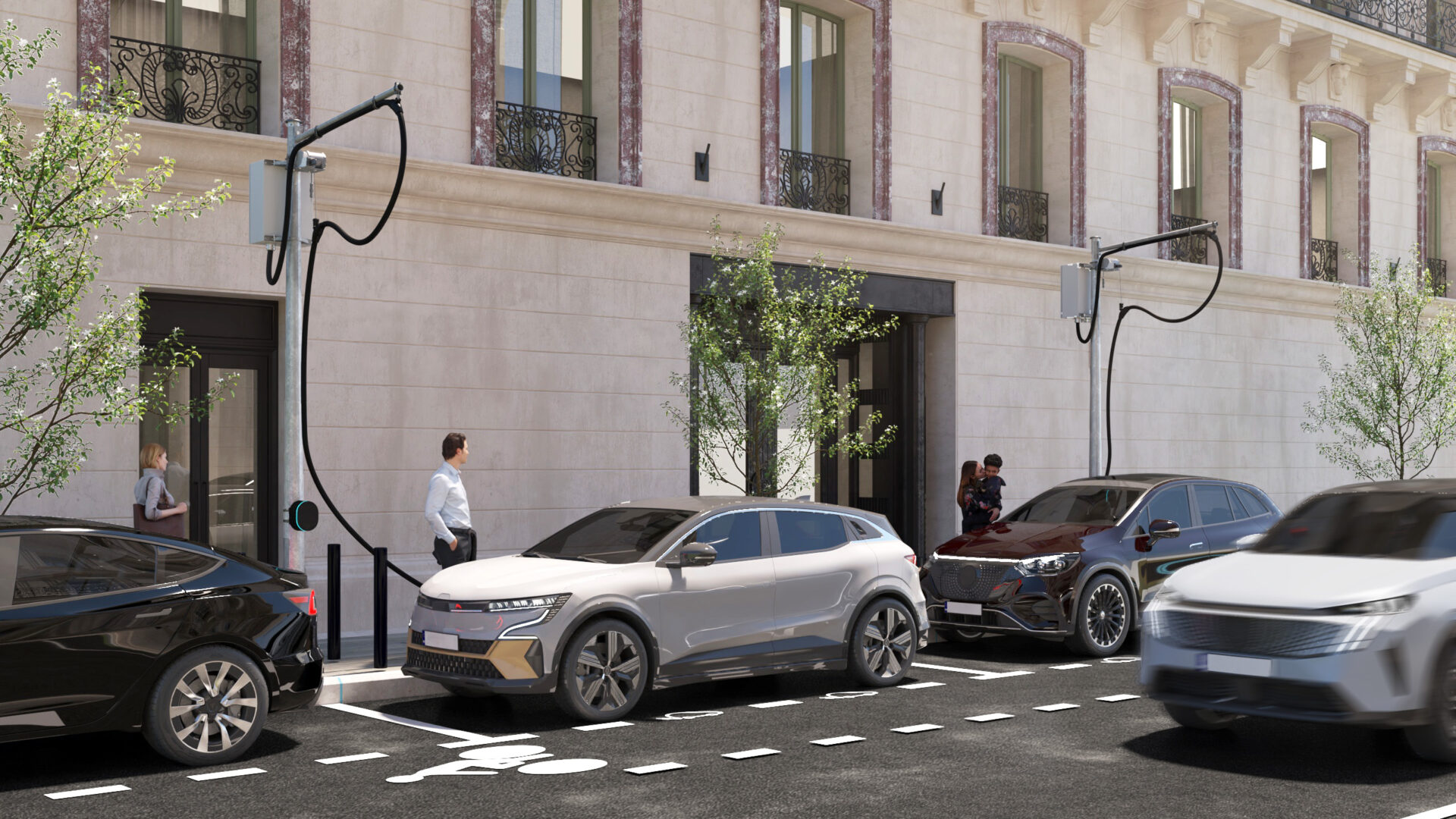
Charging Solutions for Local Authorities and Cities
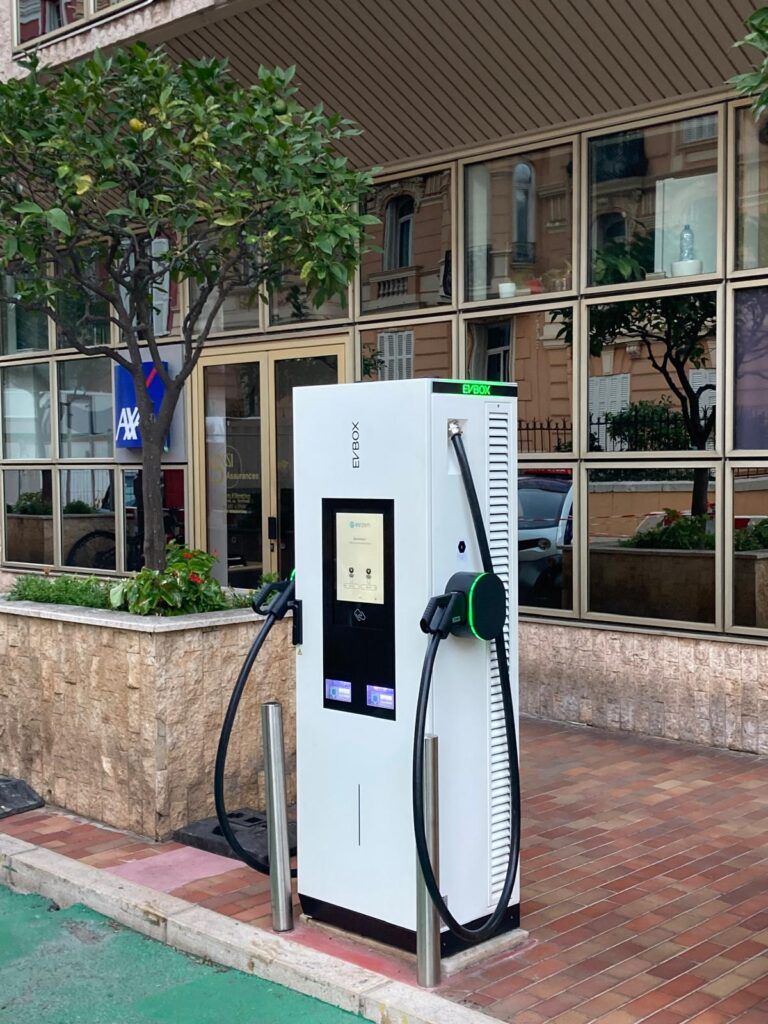
Develop a public charging infrastructure to support electric mobility. EVBox solutions are designed to help cities, municipalities, and local governments deploy reliable, scalable charging networks tailored to public spaces.
Local governments play a vital role in the development of electric mobility. By deploying publicly accessible charging infrastructure, they meet the needs of residents, businesses, visitors, and professionals while contributing to the energy transition in their communities.
Why install charging stations in a city or municipality?
As the number of electric vehicles increases, local governments must provide a public charging network capable of meeting new mobility needs. Charging stations installed on public roads, in municipal parking lots, or in public spaces allow residents, business owners, taxi drivers, and visitors to charge their vehicles throughout the day. Whether in a downtown area, a residential neighborhood, or a business district, charging infrastructure is becoming an essential component of meeting local mobility needs.
- Supporting the transition to more sustainable mobility
- Improving the services offered to residents and visitors
- Supporting local economic development
- Promote the adoption of electric vehicles
- Maximizing the value of investments in public infrastructure
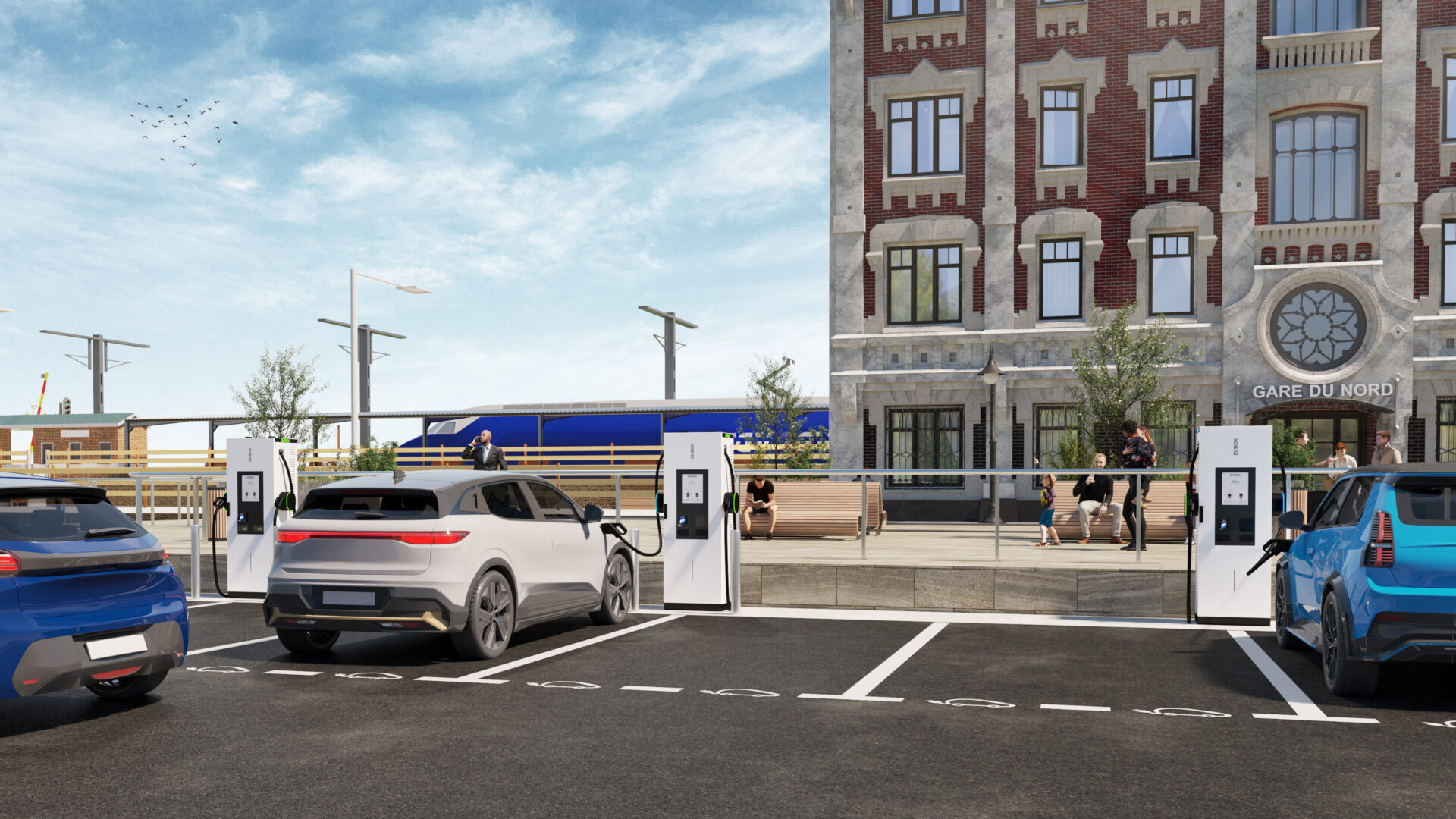
An infrastructure that is easy to deploy and scalable
Every urban project faces specific challenges related to roadways, electrical grids, and public spaces. EVBox solutions enable a phased deployment of infrastructure to support the evolving charging needs of the area.
- Deployment tailored to urban projects
- Infrastructure that can be scaled to meet the community’s needs
- Installation compatible with various types of public spaces
- Seamless integration into the urban environment

Smart energy management
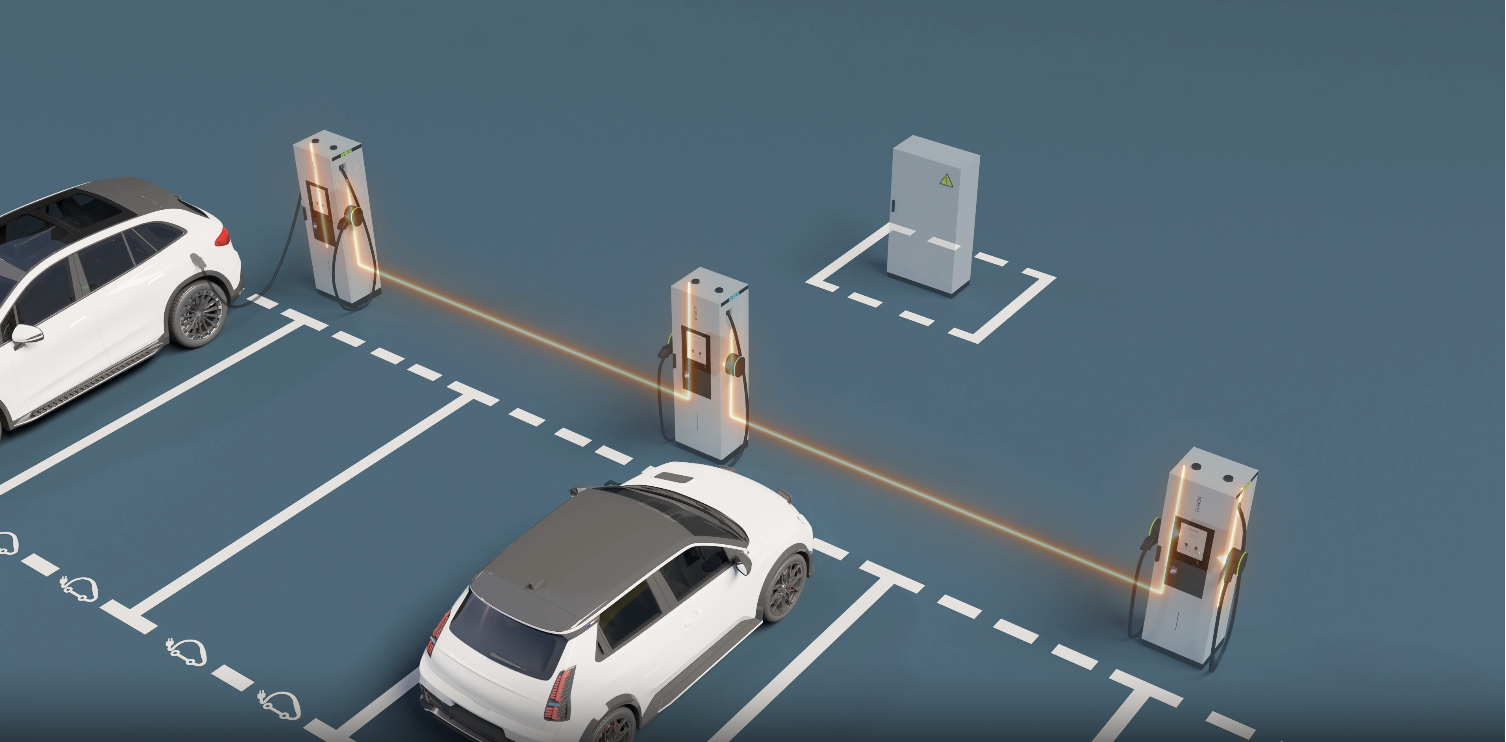
Public networks serve users with a variety of profiles: residents, taxis, commercial vehicles, visitors, and municipal services. Intelligent power management optimizes available electrical capacity while ensuring consistent service quality.
- Smart allocation of available power
- Scalable infrastructure to support the growth of the power generation fleet
- Reducing strain on the power grid
A solution designed for public services
Local governments need infrastructure that is easy to monitor, compatible with different operators, and capable of operating reliably in public spaces. EVBox solutions simplify operational management while meeting the requirements of publicly accessible charging networks.
- Compatibility with Open Communication Protocols (OCPP)
- Infrastructure oversight and monitoring
- Payment solutions tailored for public use
- Simplified maintenance to maximize charger uptime
- Infrastructure designed for heavy use

Challenges to anticipate for a public charging network
The deployment of charging stations in urban areas involves technical, regulatory, and operational constraints that must be taken into account from the project’s design phase onward.
Continuous use
Public charging stations serve users throughout the day, offering short- to medium-length charging sessions depending on their mobility needs.
Significant exposure to outdoor conditions
The chargers are installed outdoors and must be able to withstand the elements, weather fluctuations, and vandalism.
High safety standards
The equipment must ensure the safety of pedestrians, motorists, and operations crews in high-traffic areas.
Essential interoperability
Local governments must be able to work with different operators and monitoring platforms. Compatibility with open standards, particularly OCPP, is an essential criterion for ensuring the long-term viability of investments.
Urban integration constraints
When installing the chargers, consideration must be given to available space, traffic flow, accessibility, and noise pollution in order to preserve the quality of public spaces.
6 Reasons to Choose EVBox for Your Community
-
Solutions designed for public infrastructure
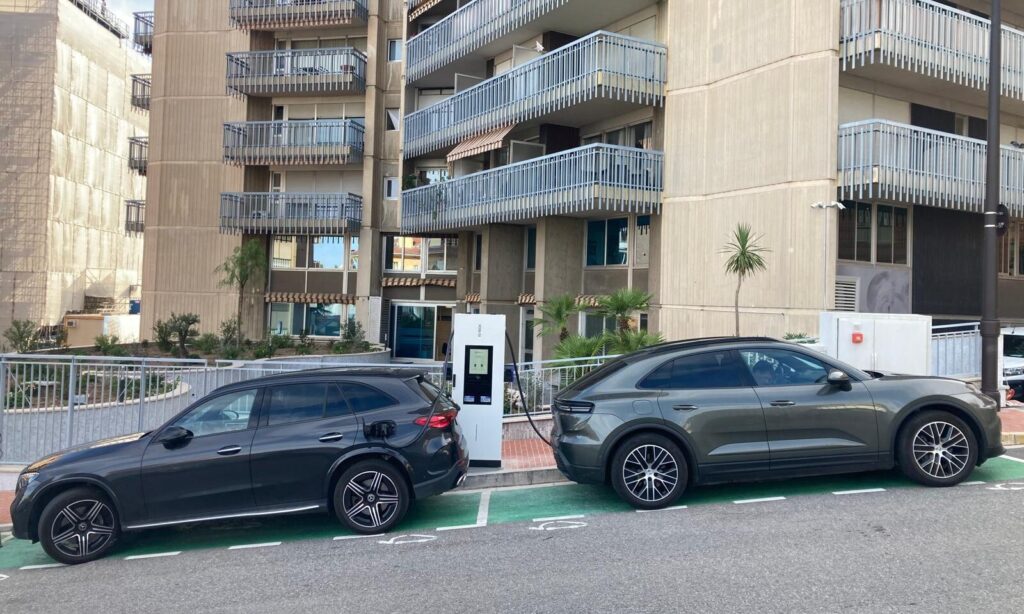
EVBox solutions meet the needs of cities, municipalities, energy cooperatives, local governments, and charging operators thanks to our charging stations, which feature a small footprint, low noise levels, and accessibility for people with limited mobility.
-
A robust infrastructure for public spaces
Designed for outdoor use, EVBox charging stations offer high availability and are built to withstand the demanding operating conditions of urban environments.
-
Smart energy management
EVBox solutions optimize the use of available power to support the growing electric vehicle fleet without placing unnecessary strain on the grid at different times of the day.
-
Compatibility with industry standards
Thanks to their compatibility with open protocols such as OCPP, EVBox infrastructure integrates easily with monitoring platforms and various mobility service providers.
-
A simple and accessible user experience
EVBox solutions make charging easier with intuitive interfaces, tailored payment options, and high infrastructure availability.
-
EVBox’s expertise
For more than 15 years, EVBox has been working with local governments and public organizations to develop reliable, scalable charging infrastructure tailored to the needs of each area.
Solutions tailored to each area
City centers
Deploy charging infrastructure that is accessible to residents, visitors, and professionals while promoting more sustainable mobility.
Municipal parking lots
Offer a convenient charging option during users’ daily activities and make the most of existing public facilities.
Residential areas
Support residents who do not have access to home charging by providing a local public charging network.
Tourist areas
Offer visitors a reliable charging service and help make your region more attractive.
Public spaces
Develop an infrastructure capable of meeting the needs of drivers, taxis, ride-sharing vehicles, and commercial vehicles.
FAQ
A scalable infrastructure allows for a gradual increase in the number of charging stations based on regional needs, while optimizing investments and available electrical capacity.
Centralized monitoring, preventive maintenance, and equipment designed for outdoor use help ensure a high level of availability.
An infrastructure compatible with open standards such as OCPP makes it possible to switch providers, connect different monitoring software, and ensure the long-term viability of the charging network.
Public charging infrastructure is used by a variety of users: residents, visitors, taxis, professionals, municipal vehicles, and passing motorists.
Local governments are deploying charging infrastructure to support the energy transition, meet the growing number of electric vehicles, and provide a public service tailored to new mobility needs.

Build electric mobility in your area
Charging infrastructure has become a key component of sustainable mobility policies. With EVBox, local governments have access to reliable, scalable solutions tailored to the requirements of public spaces to support the long-term transition to electric vehicles.
Contact our experts